Buy voip-blog.com ?
We are moving the project
voip-blog.com .
Are you interested in purchasing the domain
voip-blog.com ?
domain@kv-gmbh.de · 0541-91531010
Buy voip-blog.com ?
Are network protocols software?
Yes, network protocols are a set of rules and conventions that govern the communication and data exchange between devices on a network. These rules are implemented in software, which allows devices to understand and interpret the data being transmitted. Therefore, network protocols can be considered a type of software that enables communication and data transfer within a network. **
What is network technology 3?
Network technology 3 refers to the third generation of networking technologies, which includes advancements such as faster data transfer speeds, improved security features, and more efficient use of network resources. This generation of technology also includes the development of new protocols and standards to support the increasing demands of modern networks, such as the transition to IPv6 and the implementation of Quality of Service (QoS) capabilities. Overall, network technology 3 represents a significant step forward in the evolution of networking infrastructure, enabling more reliable and high-performance communication across various devices and systems. **

Similar search terms for Network
Top-Angebote
Products related to Network:
-
eufy Network Video Recorder E50On-Device AI Agent: Upgrade to smart, real-time security with a local AI agent that enables instant analysis, genuine threat identification, and decisive action for secure, cloud-free security that's completely subscription-free. Customisable No-Go Zones and alerts empower your security system to accurately detect real danger and ensure tailored responses Free AI-Powered Video Finder: Instantly find what you're looking for by searching with keywords to avoid scrolling through hours of footage. Easy Setup: Just one network cable connects each eufy PoE camera to the NVR for power and video, making setup a breeze. Wide Compatibility: Works with other eufy security cameras and devices (Wi-Fi module required), ensuring seamless integration with your existing eufy security setup. Compatible with Alexa and Google Assistant. Only for eufy Cameras: Designed exclusively for eufy cameras to ensure optimal performance and integration. Effortless Remote Control: Experience AI-powered remote access with eufy NVR E50 for smarter 24/7 surveillance and flexible streaming. 24/7 Recording, Expandable Security: The 8-port NVR supports up to 8 cameras and is expandable to 16 channels via a PoE switch. Supports HDD storage up to 16TB for continuous 24/7 local recording. Add more eufy PoE cameras to expand wired coverage, or connect Wi-Fi cameras via eufy Wi-Fi Module (sold separately) to expand your coverage.319,00 £*Shipping: 0,00 £Secure redirect to the provider
-
Cables Direct Cat5e UTP 10m White Network Cable - Network Cables (10m, RJ-45, RJ-45, White)Our budget-friendly 10/100 network cables deliver high performance at a lower cost, maintaining 4 unshielded twisted pairs. Note that while this meets CAT5e specifications, it uses CCA and is not suitable for POE applications.11,99 £*Shipping: 0,00 £Secure redirect to the provider
-
Elgato Network Dock for Stream DeckPower mount and deploy your Elgato Stream Deck with the versatile Network Dock. Designed for seamless wired Ethernet connectivity this dock eliminates cable clutter and allows you to place your Stream Deck exactly where you need it without being tethered to a PC. Power your setup via PoE (Power over Ethernet) using an optional Ethernet cable or with the included USB-C cable and a separate USB-C charger. Quick and intuitive setup makes controlling your workflows easier than ever whether on set in a studio or on location. Key Features: For Use with Elgato Stream Deck: Fully compatible with all Stream Deck devices. No PC Connectivity Required: Operate your Stream Deck independently over your network. Eliminates Cable Clutter: Connect via a single Ethernet cable for a clean organized setup. PoE Support: Power your Stream Deck over Ethernet or via USB-C for maximum flexibility. Flexible Placement: Mount it hide the PC or position it anywhere in your workspace. Ideal for Broadcast and Studio Applications:87,99 £*Shipping: 0,00 £Secure redirect to the provider


-
How can one understand network technology?
One can understand network technology by learning about the different types of networks, such as local area networks (LANs) and wide area networks (WANs), and how they operate. It is important to understand the basics of networking protocols, such as TCP/IP, and how data is transmitted across networks. Additionally, learning about network hardware, such as routers, switches, and firewalls, can provide insight into how networks are built and managed. Finally, staying updated on the latest trends and advancements in network technology can help in understanding the ever-evolving field of networking. **
-
What are the differences between routing, forwarding, switching, and bridging in network and communication technology?
Routing involves determining the best path for data packets to travel from the source to the destination network. Forwarding is the process of sending data packets from one network device to another based on the destination address. Switching involves directing data packets within a single network based on MAC addresses. Bridging connects two different network segments at the data link layer, allowing communication between devices on separate networks. Each of these processes plays a crucial role in ensuring efficient and reliable communication within a network. **
-
How does notification work in network technology?
Notification in network technology works by sending a message or signal from one device to another to inform the receiving device about a specific event or update. This can be done through various communication protocols such as TCP/IP, HTTP, or MQTT. When a device needs to notify another device, it sends a notification message containing the relevant information, and the receiving device processes the message and takes appropriate action based on the notification. This process allows for real-time communication and updates between devices in a network. **
-
What is the network technology for the network ID and the host ID?
The network technology for the network ID and the host ID is based on the Internet Protocol (IP) addressing system. In this system, the network ID is used to identify the specific network that a device is connected to, while the host ID is used to identify the specific device within that network. This addressing system allows for the routing of data packets to the correct destination on the network. The network ID and host ID are used in conjunction with subnet masks to determine the boundaries of the network and the individual devices within it. **


How can one learn the basics of network technology?
One can learn the basics of network technology by taking online courses or tutorials that cover topics such as networking fundamentals, network protocols, and network security. Additionally, reading books on networking, attending workshops or seminars, and practicing with networking equipment in a lab setting can also help in understanding the basics of network technology. It is important to stay updated with the latest trends and technologies in the field of networking to build a strong foundation in network technology. **
What is Bit Stuffing used for in network technology?
Bit stuffing is used in network technology to ensure that there is enough differentiation between the actual data and control information being transmitted. It involves adding extra bits to the data being transmitted to prevent the receiver from mistaking the control information for the actual data. This helps maintain synchronization between the sender and receiver and ensures that the data is accurately interpreted. Bit stuffing is commonly used in protocols such as HDLC and CAN bus to prevent errors and maintain the integrity of the transmitted data. **
Top-Angebote
Products related to Network:
-
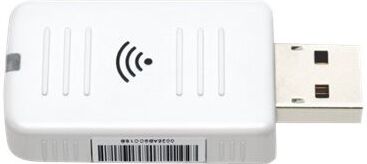
Epson ELPAP10 Network AdapterWireless network adapter compatible with 50+ Epson projector and display models. Features 802.11b/g/n connectivity (IEEE 802.11 compliant) for seamless wireless projection. USB-based design enables easy connectivity to supported Epson CB-X05, EB, EH, and Pro series devices.124,49 £*Shipping: 0,00 £Secure redirect to the provider
-
eufy Network Video Recorder E50On-Device AI Agent: Upgrade to smart, real-time security with a local AI agent that enables instant analysis, genuine threat identification, and decisive action for secure, cloud-free security that's completely subscription-free. Customisable No-Go Zones and alerts empower your security system to accurately detect real danger and ensure tailored responses Free AI-Powered Video Finder: Instantly find what you're looking for by searching with keywords to avoid scrolling through hours of footage. Easy Setup: Just one network cable connects each eufy PoE camera to the NVR for power and video, making setup a breeze. Wide Compatibility: Works with other eufy security cameras and devices (Wi-Fi module required), ensuring seamless integration with your existing eufy security setup. Compatible with Alexa and Google Assistant. Only for eufy Cameras: Designed exclusively for eufy cameras to ensure optimal performance and integration. Effortless Remote Control: Experience AI-powered remote access with eufy NVR E50 for smarter 24/7 surveillance and flexible streaming. 24/7 Recording, Expandable Security: The 8-port NVR supports up to 8 cameras and is expandable to 16 channels via a PoE switch. Supports HDD storage up to 16TB for continuous 24/7 local recording. Add more eufy PoE cameras to expand wired coverage, or connect Wi-Fi cameras via eufy Wi-Fi Module (sold separately) to expand your coverage.319,00 £*Shipping: 0,00 £Secure redirect to the provider
-
Are network protocols software?
Yes, network protocols are a set of rules and conventions that govern the communication and data exchange between devices on a network. These rules are implemented in software, which allows devices to understand and interpret the data being transmitted. Therefore, network protocols can be considered a type of software that enables communication and data transfer within a network. **
-
What is network technology 3?
Network technology 3 refers to the third generation of networking technologies, which includes advancements such as faster data transfer speeds, improved security features, and more efficient use of network resources. This generation of technology also includes the development of new protocols and standards to support the increasing demands of modern networks, such as the transition to IPv6 and the implementation of Quality of Service (QoS) capabilities. Overall, network technology 3 represents a significant step forward in the evolution of networking infrastructure, enabling more reliable and high-performance communication across various devices and systems. **
-
How can one understand network technology?
One can understand network technology by learning about the different types of networks, such as local area networks (LANs) and wide area networks (WANs), and how they operate. It is important to understand the basics of networking protocols, such as TCP/IP, and how data is transmitted across networks. Additionally, learning about network hardware, such as routers, switches, and firewalls, can provide insight into how networks are built and managed. Finally, staying updated on the latest trends and advancements in network technology can help in understanding the ever-evolving field of networking. **
-
What are the differences between routing, forwarding, switching, and bridging in network and communication technology?
Routing involves determining the best path for data packets to travel from the source to the destination network. Forwarding is the process of sending data packets from one network device to another based on the destination address. Switching involves directing data packets within a single network based on MAC addresses. Bridging connects two different network segments at the data link layer, allowing communication between devices on separate networks. Each of these processes plays a crucial role in ensuring efficient and reliable communication within a network. **
Similar search terms for Network
-
Cables Direct Cat5e UTP 10m White Network Cable - Network Cables (10m, RJ-45, RJ-45, White)Our budget-friendly 10/100 network cables deliver high performance at a lower cost, maintaining 4 unshielded twisted pairs. Note that while this meets CAT5e specifications, it uses CCA and is not suitable for POE applications.11,99 £*Shipping: 0,00 £Secure redirect to the provider
-
Elgato Network Dock for Stream DeckPower mount and deploy your Elgato Stream Deck with the versatile Network Dock. Designed for seamless wired Ethernet connectivity this dock eliminates cable clutter and allows you to place your Stream Deck exactly where you need it without being tethered to a PC. Power your setup via PoE (Power over Ethernet) using an optional Ethernet cable or with the included USB-C cable and a separate USB-C charger. Quick and intuitive setup makes controlling your workflows easier than ever whether on set in a studio or on location. Key Features: For Use with Elgato Stream Deck: Fully compatible with all Stream Deck devices. No PC Connectivity Required: Operate your Stream Deck independently over your network. Eliminates Cable Clutter: Connect via a single Ethernet cable for a clean organized setup. PoE Support: Power your Stream Deck over Ethernet or via USB-C for maximum flexibility. Flexible Placement: Mount it hide the PC or position it anywhere in your workspace. Ideal for Broadcast and Studio Applications:87,99 £*Shipping: 0,00 £Secure redirect to the provider
-
Airtame PoE Adapter (Network and Power)The Airtame PoE Adapter powers an Airtame device and provides it with a wired Ethernet connection over a single Power-over-Ethernet cable. It replaces the standard Airtame power supply where a PoE-capable network is available.172,49 £*Shipping: 0,00 £Secure redirect to the provider
-
How does notification work in network technology?
Notification in network technology works by sending a message or signal from one device to another to inform the receiving device about a specific event or update. This can be done through various communication protocols such as TCP/IP, HTTP, or MQTT. When a device needs to notify another device, it sends a notification message containing the relevant information, and the receiving device processes the message and takes appropriate action based on the notification. This process allows for real-time communication and updates between devices in a network. **
-
What is the network technology for the network ID and the host ID?
The network technology for the network ID and the host ID is based on the Internet Protocol (IP) addressing system. In this system, the network ID is used to identify the specific network that a device is connected to, while the host ID is used to identify the specific device within that network. This addressing system allows for the routing of data packets to the correct destination on the network. The network ID and host ID are used in conjunction with subnet masks to determine the boundaries of the network and the individual devices within it. **
-
How can one learn the basics of network technology?
One can learn the basics of network technology by taking online courses or tutorials that cover topics such as networking fundamentals, network protocols, and network security. Additionally, reading books on networking, attending workshops or seminars, and practicing with networking equipment in a lab setting can also help in understanding the basics of network technology. It is important to stay updated with the latest trends and technologies in the field of networking to build a strong foundation in network technology. **
-
What is Bit Stuffing used for in network technology?
Bit stuffing is used in network technology to ensure that there is enough differentiation between the actual data and control information being transmitted. It involves adding extra bits to the data being transmitted to prevent the receiver from mistaking the control information for the actual data. This helps maintain synchronization between the sender and receiver and ensures that the data is accurately interpreted. Bit stuffing is commonly used in protocols such as HDLC and CAN bus to prevent errors and maintain the integrity of the transmitted data. **
* All prices are inclusive of VAT and, if applicable, plus shipping costs. The offer information is based on the details provided by the respective shop and is updated through automated processes. Real-time updates do not occur, so deviations can occur in individual cases. ** Note: Parts of this content were created by AI.