Buy voip-blog.com ?
We are moving the project
voip-blog.com .
Are you interested in purchasing the domain
voip-blog.com ?
domain@kv-gmbh.de · 0541-91531010
Buy voip-blog.com ?
What is lighting technology for DJs?
Lighting technology for DJs refers to the equipment and tools used to enhance the visual experience of a DJ performance. This can include various types of lights such as LED fixtures, lasers, strobes, and moving head lights that are synchronized with the music to create dynamic and immersive lighting effects. Lighting technology is an important aspect of a DJ's setup as it helps set the mood, create atmosphere, and engage the audience during a performance. DJs often use lighting controllers and software to control the lights and create custom lighting sequences that complement their music. **
How does lighting technology respond to music?
Lighting technology can respond to music through a process called sound-to-light synchronization. This technology allows lights to change color, intensity, and patterns in response to the rhythm, tempo, and volume of the music being played. By using sensors or software that analyze the audio input, lighting systems can create dynamic and immersive visual experiences that enhance the overall atmosphere of a performance or event. This synchronization adds another layer of sensory stimulation for the audience, creating a more engaging and memorable experience. **
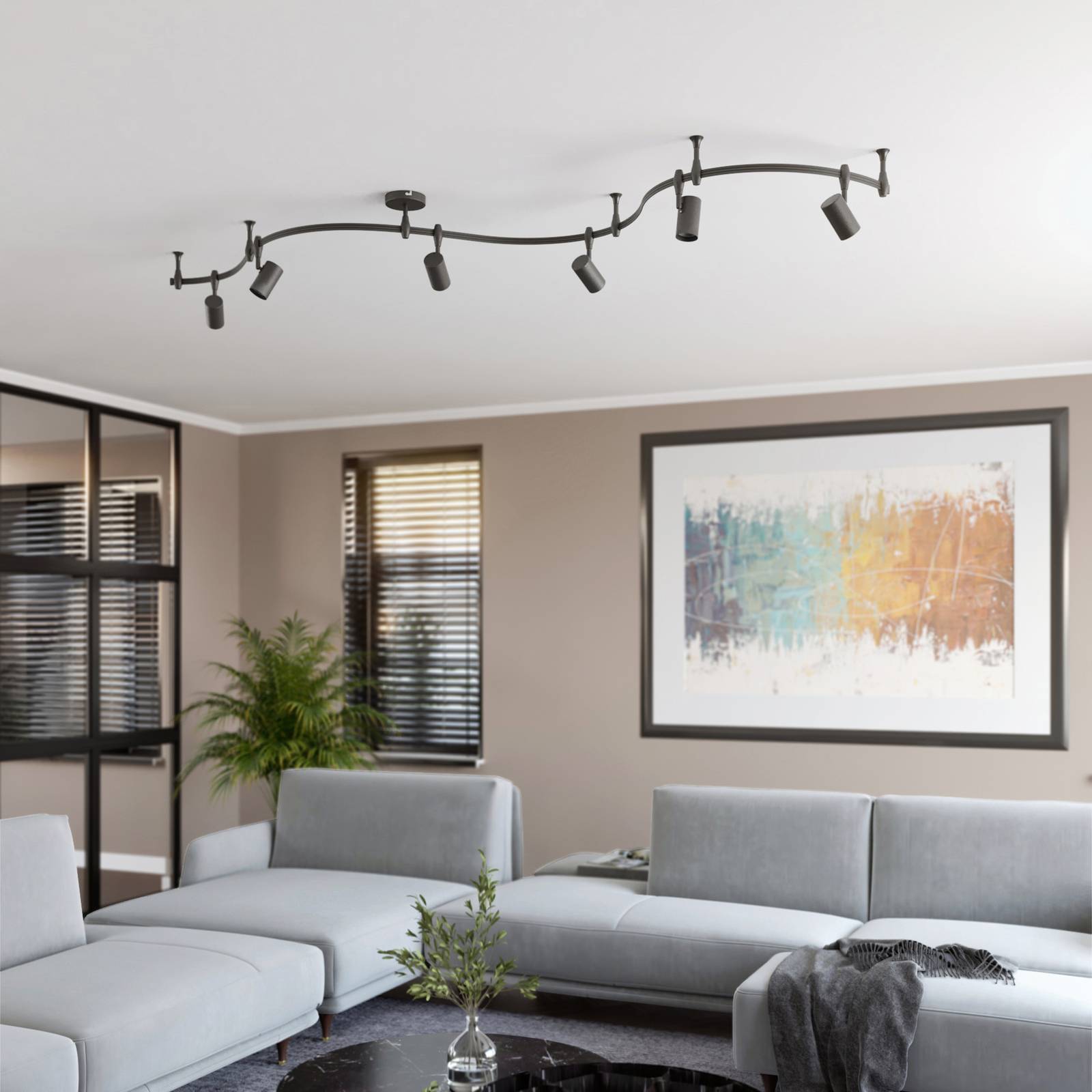

Similar search terms for Lindby-Delila-track-lighting
Top-Angebote
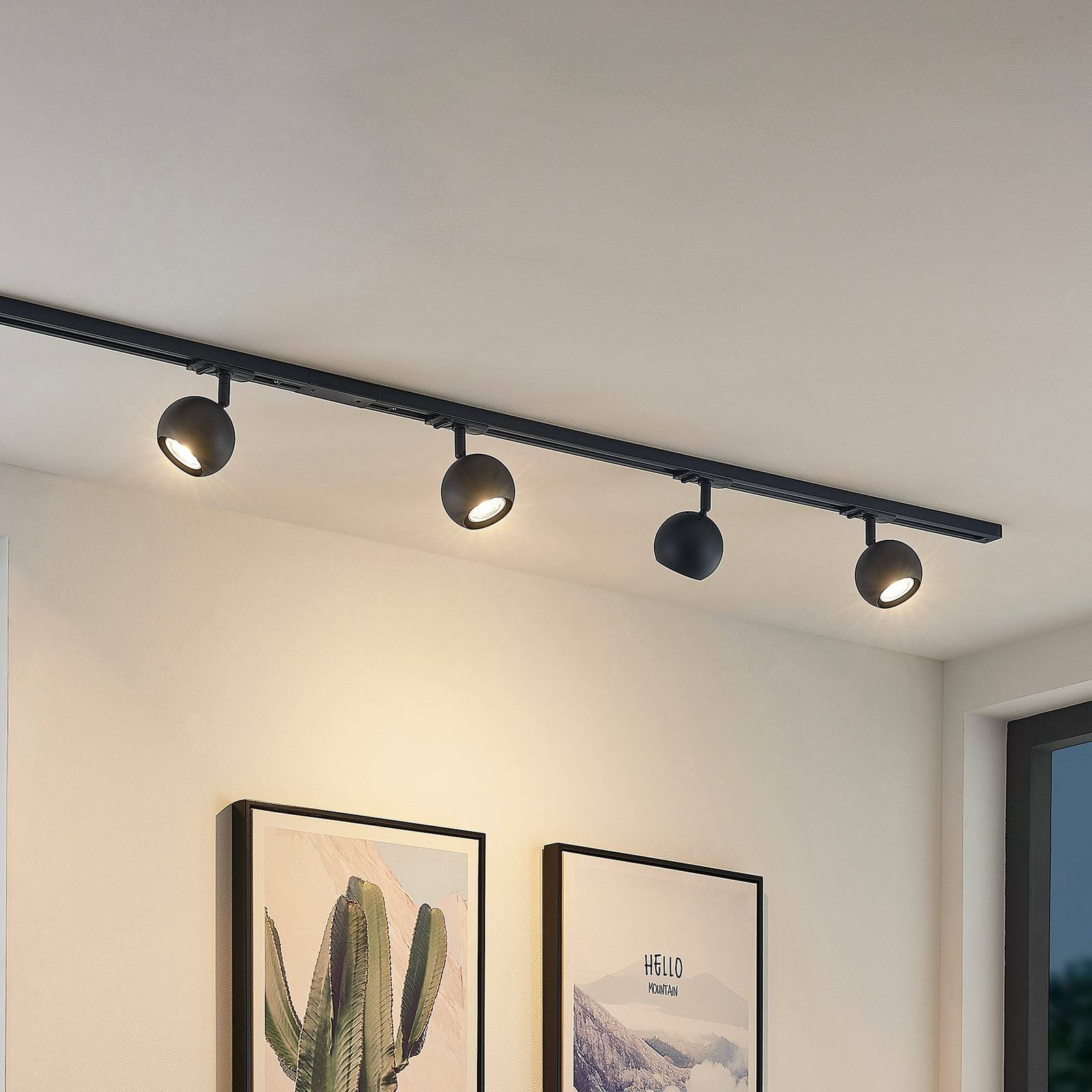
Products related to Lindby-Delila-track-lighting:


-
What software is available for RGB lighting?
There are several software options available for controlling RGB lighting, including Corsair iCUE, NZXT CAM, Razer Synapse, and ASUS Aura Sync. These software allow users to customize and synchronize the RGB lighting on their peripherals, components, and accessories. They often offer features such as color customization, lighting effects, and synchronization with other compatible devices. Users can choose the software that best fits their specific RGB lighting setup and preferences. **
-
How does the lighting technology work on stages?
Stage lighting technology works by using a combination of different types of lights, such as spotlights, floodlights, and LED lights, to create the desired atmosphere and mood for a performance. Lighting designers use a control board to adjust the intensity, color, and direction of the lights to enhance the visual impact of the performance. They also use techniques such as gels, gobos, and moving lights to create dynamic and visually engaging effects. Overall, stage lighting technology is a crucial element in bringing a performance to life and capturing the audience's attention. **
-
How does the lighting technology react to music?
Lighting technology can react to music in a variety of ways. For example, it can be programmed to change color, intensity, and pattern in sync with the beat and rhythm of the music. Some advanced lighting systems can also be set to respond to specific frequencies or sound levels, creating a dynamic and immersive visual experience that complements the music. Additionally, lighting technology can be synchronized with music through software and controllers, allowing for precise and customizable integration with live performances or pre-recorded music. Overall, the lighting technology's reaction to music adds an extra layer of sensory stimulation and enhances the overall impact of the music performance or listening experience. **
-
Is there a software for ARGB fan lighting?
Yes, there are several software options available for controlling ARGB fan lighting. Some popular options include Corsair iCUE, NZXT CAM, and ASUS Aura Sync. These software programs allow users to customize and synchronize the lighting effects of their ARGB fans, as well as other RGB components, to create a cohesive and visually appealing lighting setup for their PC. Additionally, many motherboard manufacturers also offer their own software for controlling ARGB lighting, so it's important to check compatibility with your specific hardware. **

What are the advantages and disadvantages of high-voltage and low-voltage LED track lighting systems?
High-voltage LED track lighting systems have the advantage of being more energy-efficient and cost-effective compared to low-voltage systems. They also have a longer lifespan and are easier to install. However, high-voltage systems may not offer as much flexibility in terms of dimming options and may require more maintenance. On the other hand, low-voltage LED track lighting systems offer more precise control over lighting levels and are generally safer to use. They also provide a wider range of design options and are often more aesthetically pleasing. However, low-voltage systems tend to be more expensive upfront and may require a transformer for installation, adding to the overall cost. **
What do I need for pulsating light in lighting technology?
To create pulsating light in lighting technology, you will need a light source such as an LED or incandescent bulb, a power source to supply the electricity, and a control mechanism to modulate the light intensity. This control mechanism can be a dimmer switch, a microcontroller, or a specialized lighting control system. By adjusting the power supply to the light source, you can create the pulsating effect, which can be used for various purposes such as creating ambiance, signaling, or visual effects. **
Top-Angebote
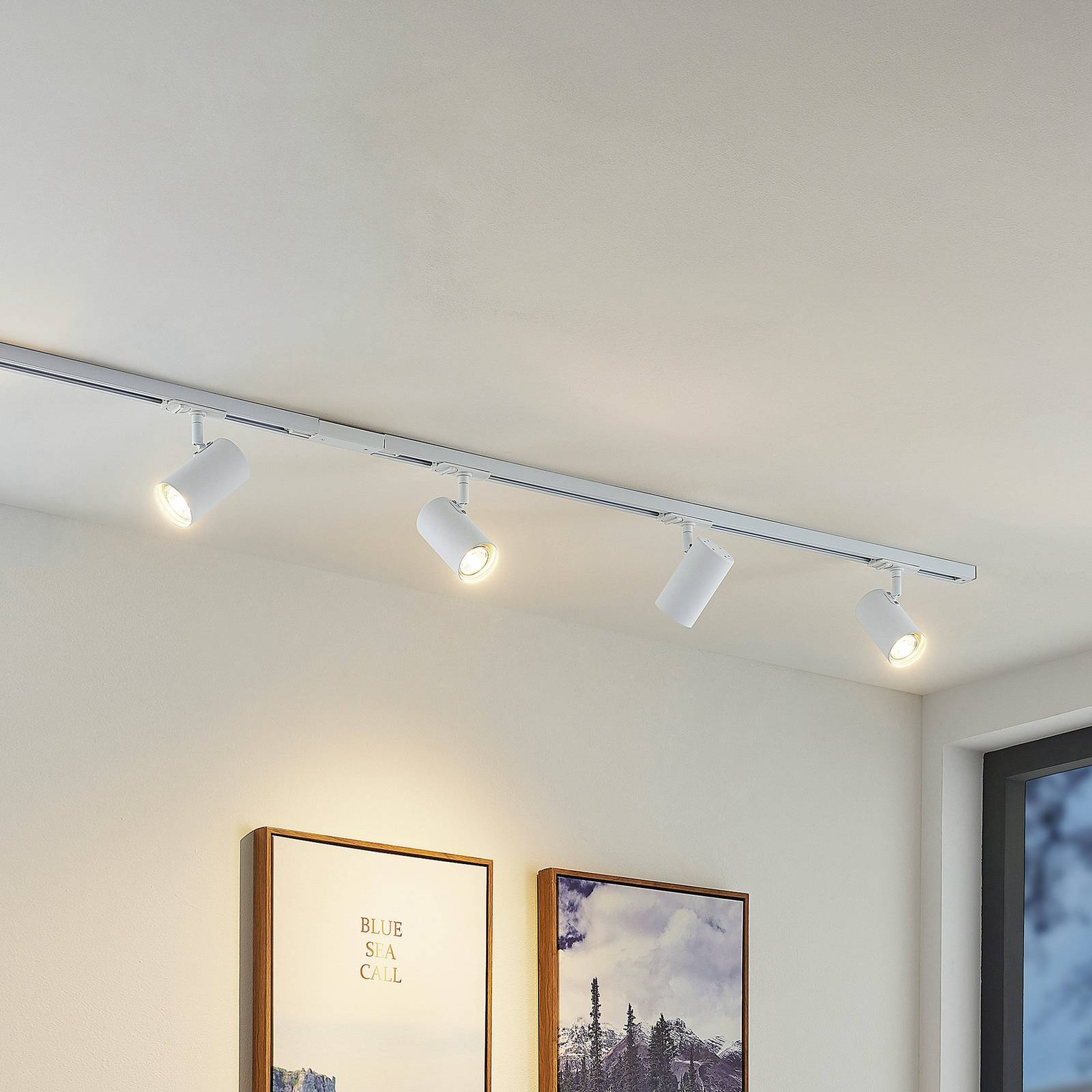
Products related to Lindby-Delila-track-lighting:
-
Lindby Delila track lighting system, black, flexible use Lindby, dimmable, Black, Living / Dining Room, metal, Modern, Track Lighting 1-Phase TrackThe Delila single-circuit track lighting system comes in a subtle sand black colour and boasts a modern look.149,90 £*Shipping: 4,99 £Secure redirect to the provider
-
What is lighting technology for DJs?
Lighting technology for DJs refers to the equipment and tools used to enhance the visual experience of a DJ performance. This can include various types of lights such as LED fixtures, lasers, strobes, and moving head lights that are synchronized with the music to create dynamic and immersive lighting effects. Lighting technology is an important aspect of a DJ's setup as it helps set the mood, create atmosphere, and engage the audience during a performance. DJs often use lighting controllers and software to control the lights and create custom lighting sequences that complement their music. **
-
How does lighting technology respond to music?
Lighting technology can respond to music through a process called sound-to-light synchronization. This technology allows lights to change color, intensity, and patterns in response to the rhythm, tempo, and volume of the music being played. By using sensors or software that analyze the audio input, lighting systems can create dynamic and immersive visual experiences that enhance the overall atmosphere of a performance or event. This synchronization adds another layer of sensory stimulation for the audience, creating a more engaging and memorable experience. **
-
What software is available for RGB lighting?
There are several software options available for controlling RGB lighting, including Corsair iCUE, NZXT CAM, Razer Synapse, and ASUS Aura Sync. These software allow users to customize and synchronize the RGB lighting on their peripherals, components, and accessories. They often offer features such as color customization, lighting effects, and synchronization with other compatible devices. Users can choose the software that best fits their specific RGB lighting setup and preferences. **
-
How does the lighting technology work on stages?
Stage lighting technology works by using a combination of different types of lights, such as spotlights, floodlights, and LED lights, to create the desired atmosphere and mood for a performance. Lighting designers use a control board to adjust the intensity, color, and direction of the lights to enhance the visual impact of the performance. They also use techniques such as gels, gobos, and moving lights to create dynamic and visually engaging effects. Overall, stage lighting technology is a crucial element in bringing a performance to life and capturing the audience's attention. **
Similar search terms for Lindby-Delila-track-lighting
-
How does the lighting technology react to music?
Lighting technology can react to music in a variety of ways. For example, it can be programmed to change color, intensity, and pattern in sync with the beat and rhythm of the music. Some advanced lighting systems can also be set to respond to specific frequencies or sound levels, creating a dynamic and immersive visual experience that complements the music. Additionally, lighting technology can be synchronized with music through software and controllers, allowing for precise and customizable integration with live performances or pre-recorded music. Overall, the lighting technology's reaction to music adds an extra layer of sensory stimulation and enhances the overall impact of the music performance or listening experience. **
-
Is there a software for ARGB fan lighting?
Yes, there are several software options available for controlling ARGB fan lighting. Some popular options include Corsair iCUE, NZXT CAM, and ASUS Aura Sync. These software programs allow users to customize and synchronize the lighting effects of their ARGB fans, as well as other RGB components, to create a cohesive and visually appealing lighting setup for their PC. Additionally, many motherboard manufacturers also offer their own software for controlling ARGB lighting, so it's important to check compatibility with your specific hardware. **
-
What are the advantages and disadvantages of high-voltage and low-voltage LED track lighting systems?
High-voltage LED track lighting systems have the advantage of being more energy-efficient and cost-effective compared to low-voltage systems. They also have a longer lifespan and are easier to install. However, high-voltage systems may not offer as much flexibility in terms of dimming options and may require more maintenance. On the other hand, low-voltage LED track lighting systems offer more precise control over lighting levels and are generally safer to use. They also provide a wider range of design options and are often more aesthetically pleasing. However, low-voltage systems tend to be more expensive upfront and may require a transformer for installation, adding to the overall cost. **
-
What do I need for pulsating light in lighting technology?
To create pulsating light in lighting technology, you will need a light source such as an LED or incandescent bulb, a power source to supply the electricity, and a control mechanism to modulate the light intensity. This control mechanism can be a dimmer switch, a microcontroller, or a specialized lighting control system. By adjusting the power supply to the light source, you can create the pulsating effect, which can be used for various purposes such as creating ambiance, signaling, or visual effects. **
* All prices are inclusive of VAT and, if applicable, plus shipping costs. The offer information is based on the details provided by the respective shop and is updated through automated processes. Real-time updates do not occur, so deviations can occur in individual cases. ** Note: Parts of this content were created by AI.