Buy voip-blog.com ?
We are moving the project
voip-blog.com .
Are you interested in purchasing the domain
voip-blog.com ?
domain@kv-gmbh.de · 0541-91531010
Buy voip-blog.com ?
What are the basic concepts of computer science?
The basic concepts of computer science include algorithms, which are step-by-step procedures for solving problems; data structures, which are ways of organizing and storing data for efficient access and manipulation; and programming languages, which are used to write instructions for computers to execute tasks. Computer science also involves the study of computer architecture, which includes the design and organization of computer systems, as well as the theory of computation, which explores the limits of what can be computed algorithmically. Overall, computer science is a broad field that encompasses a wide range of topics related to the study of computers and computational systems. **
What are the basic principles of computer science?
The basic principles of computer science include algorithms, data structures, and computational thinking. Algorithms are step-by-step procedures for solving problems, while data structures are the way data is organized and stored in a computer. Computational thinking involves breaking down complex problems into smaller, more manageable parts and finding efficient solutions. These principles form the foundation of computer science and are essential for understanding and developing computer programs and systems. **
Similar search terms for Elsevier-Basic-Science-for
Top-Angebote
Products related to Elsevier-Basic-Science-for:
-
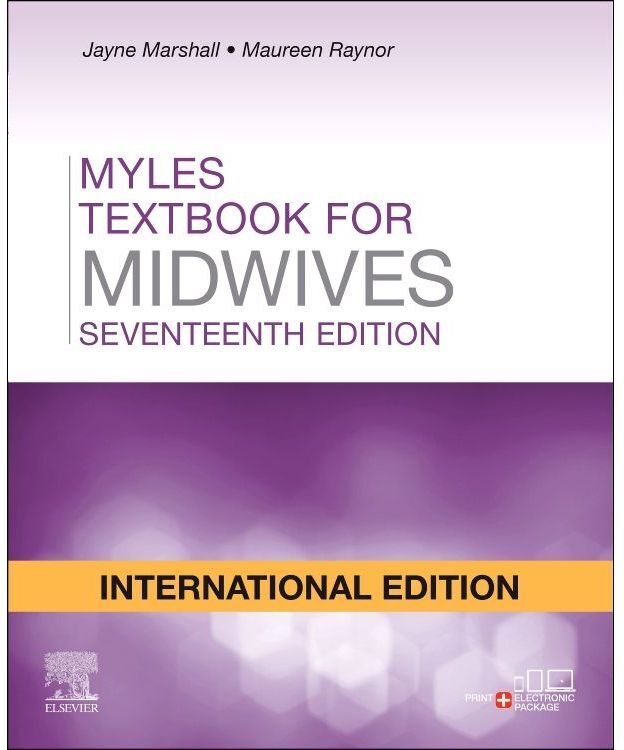
Elsevier Myles Textbook for Midwives, International Edition, 17th EditionWritten by midwives for midwives, Myles Textbook for Midwives has been the seminal textbook of midwifery for over 60 years. It offers comprehensive coverage of topics fundamental to 21st midwifery practice. Co-edited for the second time, by internationally renowned midwife educationalists, Professor Jayne E Marshall and Maureen D Raynor from the United Kingdom with a team of contributors from across the midwifery community it retains its clear, accessible writing style. Most chapters provide useful case studies, websites of key organisations and charities for individuals to access further information. Reflective questions at the end of each chapter as well as annotated further reading aid reflective learning and stimulate discussions relating to continuing professional development. The book covers key frameworks that govern midwifery practice, exploring ethical and legal frameworks that are essential to every accountable, autonomous, professional midwife. Includes employer-led models of supervision, vital elements of leadership and clinical governance that supports the provision of high quality maternity services and standards of midwifery practice. The concept of resilience is introduced for the reader to contemplate their personal contribution in creating an environment that is conducive to protecting the wellbeing of themselves and colleagues within the workplace. The text covers the UN 2030 Agenda for Sustainable Development, highlighting the importance of midwives as global citizens with common goals, and together they form a strong global community prepared to challenge social inequalities and take action to help end extreme poverty. Covers designing and implementing high quality midwifery care using evidence, policy and models of care. Highlights why a holistic and evidence-informed approach is necessary to achieve effective care for all. Working examples will help the reader to think critically about their own practice. For this edition several new chapters are introduced covering concealed pregnancy, fear of childbirth (tocophobia), care of the acutely unwell woman and end of life issues including rights of the fetus/neonate and ethical considerations.20,49 £*Shipping: 2,99 £Secure redirect to the provider
-
Usborne STEM Scribble Books Collection – 4 Book Set Science, Technology, Engineering & Maths Activity Books for KidsInspire curiosity and creative learning with the Usborne STEM Scribble Books Collection – 4 Book Set, from the trusted Usborne. This exciting educational collection includes: Science Scribble Book Technology Scribble Book Engineering Scribble Book Maths Scribble Book Packed with fun activities, puzzles, drawing challenges, and problem-solving exercises, these interactive scribble books introduce children to the exciting world of STEM (Science, Technology, Engineering, and Mathematics). Designed to make learning enjoyable, they encourage creativity, logical thinking, and hands-on exploration. Perfect for home learning, classroom activities, school holidays, and travel, this collection helps children build confidence while developing essential STEM skills. Why Parents & Teachers Love This Collection: Includes 4 engaging STEM activity books Encourages creativity, problem-solving, and critical thinking Covers Science, Technology, Engineering & Maths Interactive scribble activities make learning fun Ideal for children aged 6+, home learning, and classrooms A fantastic educational resource, the Usborne STEM Scribble Books Collection helps children discover, create, and learn through exciting hands-on activities.8,99 £*Shipping: 2,99 £Secure redirect to the provider
-
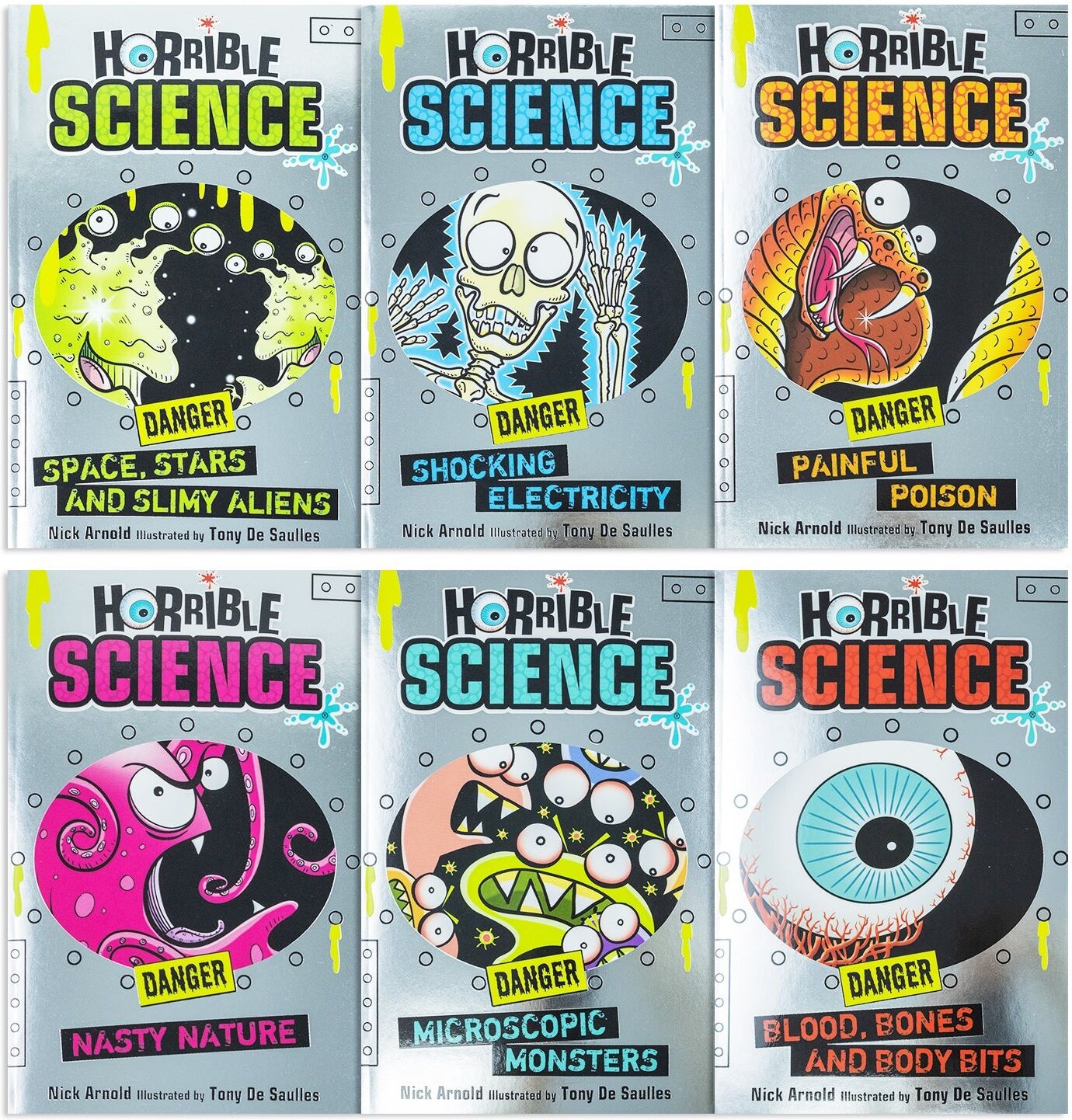
Scholastic Horrible Science 6 Books Collection Set by Nick Arnold – Educational Science Collection for KidsHorrible Science Collection 6 Books Set by Nick Arnold (Blood Bones and Body Bits, Microscopic Monsters, Nasty Nature, Painful Poison, Shocking Electricity, Space Stars and Slimy Aliens) Blood, Bones and Body Bits: Peek inside to discover all the squishy secrets of your body – including the nasty bits nobody wants to tell you! Find out what happens when a boil bursts (ugh) See what lives in your eyelashes (ewwwww) Gulp at the workings of your disgusting digestion (enough now...) And discover why corpses need haircuts even after they’re dead (blergh) Microscopic Monsters: Look down your microscope and dare to discover the terribly teeny world of Microscopic Monsters. Discover what makes our guts a brilliant home for bacteria, how germs make dead bodies explode and which creature lays its eggs between our toes. Nasty Nature: All the animals in HORRIBLE SCIENCE: NASTY NATURE are the deadliest, most disgusting and nastiest things that nature has to offer! So only read on if you're ready to find out: how vampire bats slurp blood, what a singing gorilla sounds like, how to dodge a man-eating tiger and which Japanese fish dish can kill you. Painful Poison: Get ready for a deadly dose of excitement with the petrifying Painful Poison. It's bubbling with killer substances that are strictly not for the nervous - and will have all kinds of evil effects on you. Discover how you can turn your brother into a zombie slave and why you are breathing poison right now! Shocking Electricity: Horrible Science: Shocking Electricity is packed with sizzling zap-filled facts to electrify every reader. Children can find out about the scientist who gave electric shocks to his eyeballs, that lightning can strike you with heat five times hotter than the sun and much more besides! Space, Stars and Slimy Aliens: Zoom to the stars with Oddblob the alien, and take part in a spacewalk that's out of this world and learn what the moon smells like. Find out all the horrible facts about space like which astronomers killed people and why space makes your guts explode!8,50 £*Shipping: 2,99 £Secure redirect to the provider
-
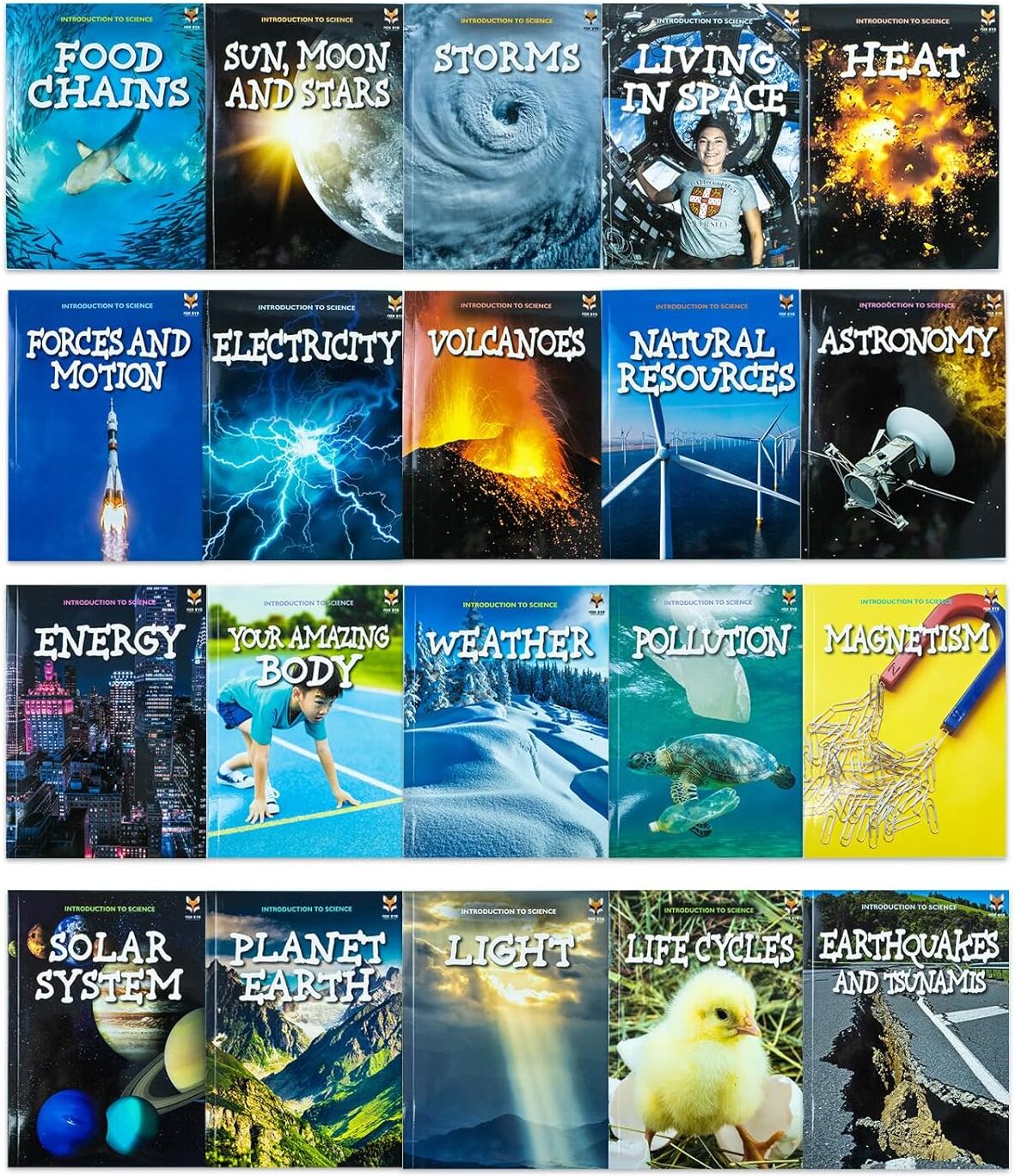
Fox Eye Publishing Introduction to Science for Beginners 20 Books Collection Box Set – Educational Science Collection for KidsIntroduction to Science for Beginners 20 Books Collection Box Set (Astronomy, Electricity, Food Chains, Forces and Motion, Heat,Natural Resources,Living in Space, Storms, Sun Moon and Stars & More) Books in This Collection: Introduction to Astronomy Introduction to Electricity Introduction to Food Chains Introduction to Forces and Motion Introduction to Heat IIntroduction to Natural Resources Introduction to Living in Space Introduction to Storms Introduction to Sun, Moon and Stars Introduction to Volcanoes Introduction to Energy Introduction to Life Cycles Introduction to Light Introduction to Magnetism Introduction to Pollution Introduction to Planet Earth Introduction to Earthquakes and Tsunamis Introduction to Solar System Introduction to Weather Introduction to Your Amazing Body14,99 £*Shipping: 2,99 £Secure redirect to the provider

-
Do teachers only learn languages for basic communication?
No, teachers do not only learn languages for basic communication. Many teachers choose to learn languages to a high level of proficiency in order to teach language classes or to communicate effectively with students and parents who speak different languages. Additionally, some teachers may learn languages to better understand and appreciate different cultures, which can enhance their ability to teach diverse groups of students. Overall, teachers may have a variety of reasons for learning languages beyond basic communication. **
-
How do I learn basic computer science knowledge from scratch?
To learn basic computer science knowledge from scratch, you can start by studying fundamental concepts such as algorithms, data structures, and programming languages. There are many online resources and tutorials available for free, such as Codecademy, Khan Academy, and Coursera, which offer introductory courses in computer science. Additionally, you can consider enrolling in a beginner-level computer science course at a local community college or university. It's important to practice coding regularly and work on small projects to reinforce your understanding of the concepts. Finally, joining online communities and forums can provide valuable support and guidance as you learn. **
-
What is the difference between a specialist in computer science for system integration and a specialist in computer science for digital networking?
A specialist in computer science for system integration focuses on integrating different hardware and software systems to work together seamlessly. They are responsible for ensuring that all components of a system, such as databases, servers, and applications, can communicate and function together effectively. On the other hand, a specialist in computer science for digital networking focuses on designing, implementing, and managing digital networks, such as local area networks (LANs), wide area networks (WANs), and wireless networks. They are responsible for ensuring that data and information can be transmitted efficiently and securely across these networks. In summary, the main difference between the two specialists lies in their focus areas: system integration specialists focus on integrating various components of a system, while digital networking specialists focus on designing and managing digital networks. **
-
What is the high school graduation theme for political science in the basic course in Berlin?
The high school graduation theme for political science in the basic course in Berlin is typically focused on understanding the foundations of political systems, the role of government, and the principles of democracy. Students may also explore topics such as political ideologies, international relations, and the impact of globalization on politics. The goal is to provide students with a comprehensive understanding of political science and its relevance in the modern world, preparing them for further studies or careers in the field. **
Which social science is offered as a basic course in the Abitur?
In the Abitur, which is the final examination in the German education system, students are required to take a basic course in social science. This course typically covers a range of topics including sociology, political science, economics, and geography. The goal of this course is to provide students with a broad understanding of the social sciences and their relevance to contemporary society. **
Could science fiction technology become real?
Yes, science fiction technology could become real in the future. Many of the technological advancements that were once considered science fiction, such as video calling, self-driving cars, and virtual reality, have already become a reality. With continued advancements in science and technology, it is possible that other futuristic technologies, such as teleportation or advanced artificial intelligence, could also become a reality in the future. While some science fiction technologies may still be far-fetched, it is important to remember that many of today's realities were once considered impossible in the past. **
Top-Angebote
Products related to Elsevier-Basic-Science-for:
-
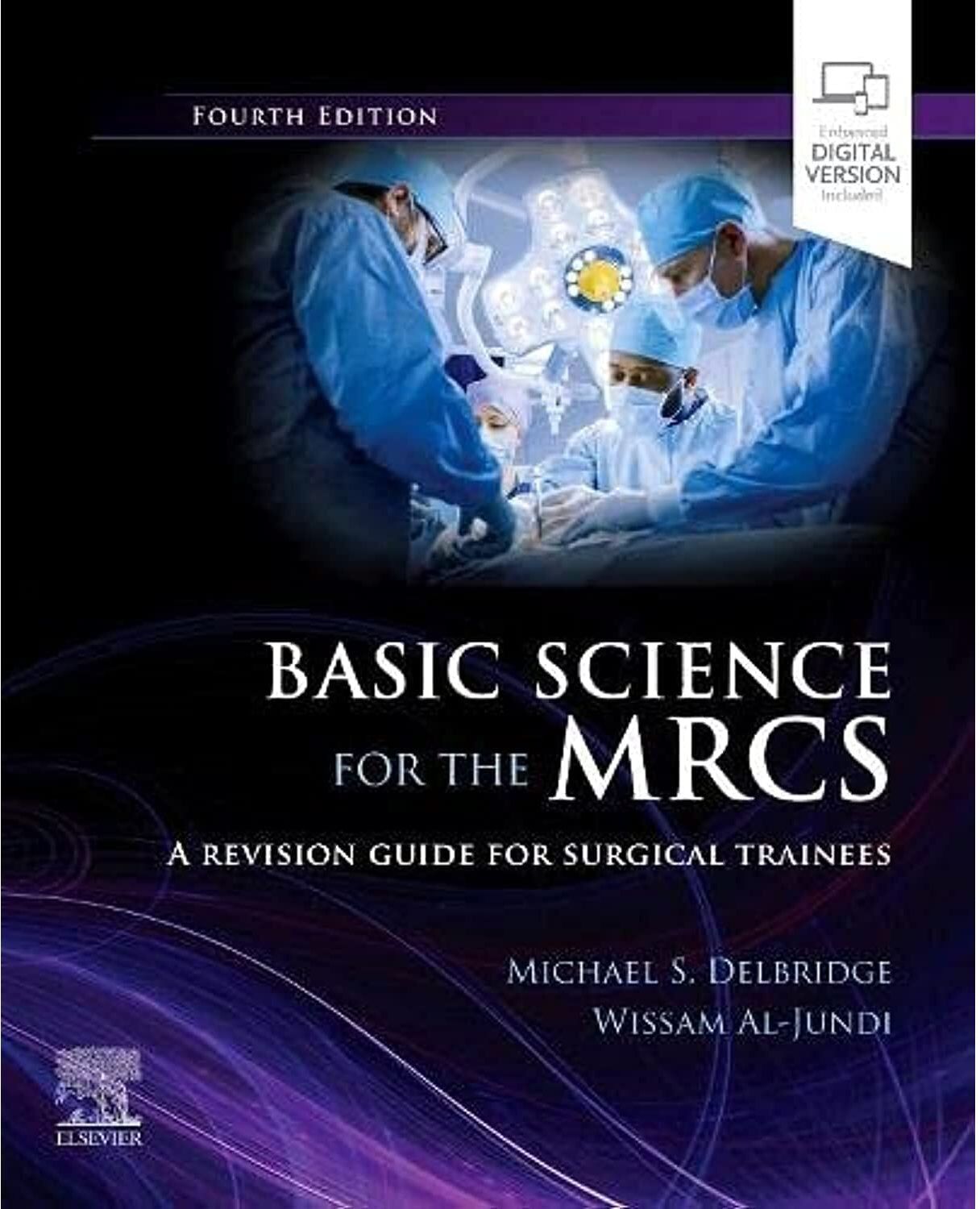
Elsevier Basic Science for the MRCS: A revision guide for surgical trainees (MRCS Study Guides)A concise revision guide to the core basic sciences for all surgical trainees preparing for Part A of the Intercollegiate MRCS examination. Covering the essential facts for anatomy, physiology and pathology, with indications of both their clinical relevance and importance. Focusing on the recurring examination themes for initial surgical training, this title is designed for the basic surgical trainee as well as proving useful for those in higher surgical training and for the surgically-inclined, well-motivated student. Covers the essentials of the basic sciences - anatomy, physiology and pathology - for the MRCS examination. Explains the application and clinical relevance of the three sciences. Bulleted text for easy reading and rapid exam preparation. Focused on the common themes of the examination. Clear annotated line drawings to aid learning. 250 new online single-best answer questions in the format of the MRCS Part A examination. Each answer will refer back to text for further reading as required. New OSCE 'Clinical scenarios' at the end of every chapter.33,99 £*Shipping: 2,99 £Secure redirect to the provider
-
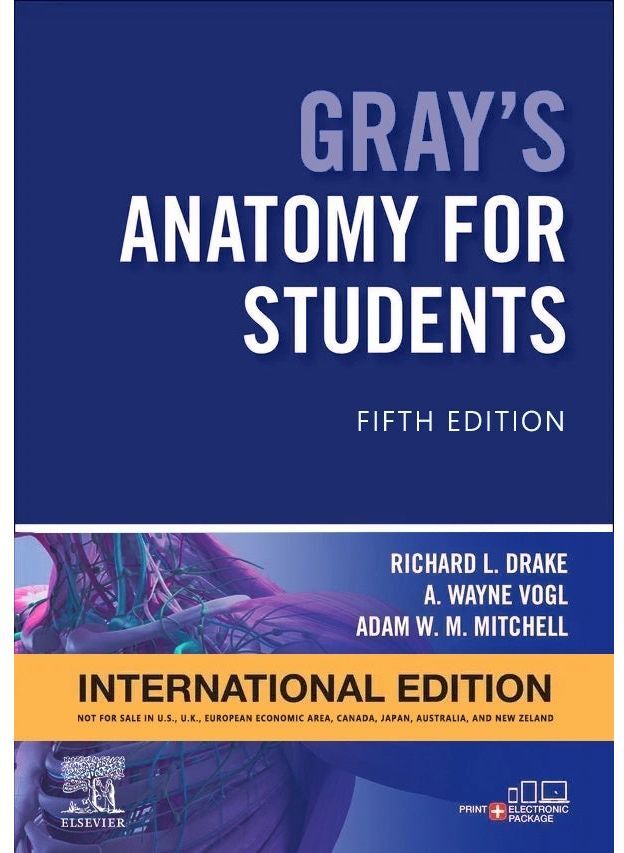
Elsevier Gray's Anatomy for StudentsConcise, readable text and an outstanding art program make Gray's Anatomy for Students, 5th Edition, your go-to text for essential information in human anatomy. This fully revised volume focuses on the core information medical students need to know, in an easy-access format and with additional multimedia content to facilitate effective study and mastery of the material. A team of expert authors share a wealth of diverse teaching and clinical experience-all enhanced by more than 1,000 innovative, original illustrations by renowned illustrators Richard Tibbitts and Paul Richardson, who capture anatomical features with unrivalled clarity. Helps you understand the practical applications of anatomical concepts through unique coverage of surface anatomy, correlative diagnostic images, and clinical case studies. Contains increased representation of diverse population groups throughout, incorporating a wider range of skin tones and important clinical considerations related to transgender and intersex individuals. Presents anatomy logically by body region - as well as bonus updated eBook chapters for each major body system to facilitate learning from a different perspective. Includes new and improved online materials such as self-assessment questions, medical and physical therapy clinical cases, a unique Interactive Surface Anatomy tool, and more. Provides fully revised and updated clinical content including numerous new In the Clinic boxes, images, and correlates throughout that reflect the latest advances seen in clinical practice. New and updated Clinical Cases are included in the accompanying enhanced eBook. Features an updated neuroanatomy eBook chapter, so you can learn key aspects of this challenging topic in the context of general anatomy. Improves comprehension of complex cranial nerves with a visual map summarizing cranial nerve distribution and function. Offers schematic drawings for key structures and topics in every chapter, providing an additional, simplified approach to introduce each topic-ideal for quick initial understanding and as a guide for your own anatomy drawings. Enables you to quickly review the basic concepts from each chapter with Conceptual Overviews. An eBook version is included with purchase. The eBook allows you to access all of the text, figures and references, with the ability to search, customize your content, make notes and highlights, and have content read aloud. Evolve Instructor site with a downloadable image bank is available to instructors through their Elsevier sales rep or via request at https://evolve.elsevier.com.28,99 £*Shipping: 2,99 £Secure redirect to the provider
-
Elsevier Myles Textbook for Midwives, International Edition, 17th EditionWritten by midwives for midwives, Myles Textbook for Midwives has been the seminal textbook of midwifery for over 60 years. It offers comprehensive coverage of topics fundamental to 21st midwifery practice. Co-edited for the second time, by internationally renowned midwife educationalists, Professor Jayne E Marshall and Maureen D Raynor from the United Kingdom with a team of contributors from across the midwifery community it retains its clear, accessible writing style. Most chapters provide useful case studies, websites of key organisations and charities for individuals to access further information. Reflective questions at the end of each chapter as well as annotated further reading aid reflective learning and stimulate discussions relating to continuing professional development. The book covers key frameworks that govern midwifery practice, exploring ethical and legal frameworks that are essential to every accountable, autonomous, professional midwife. Includes employer-led models of supervision, vital elements of leadership and clinical governance that supports the provision of high quality maternity services and standards of midwifery practice. The concept of resilience is introduced for the reader to contemplate their personal contribution in creating an environment that is conducive to protecting the wellbeing of themselves and colleagues within the workplace. The text covers the UN 2030 Agenda for Sustainable Development, highlighting the importance of midwives as global citizens with common goals, and together they form a strong global community prepared to challenge social inequalities and take action to help end extreme poverty. Covers designing and implementing high quality midwifery care using evidence, policy and models of care. Highlights why a holistic and evidence-informed approach is necessary to achieve effective care for all. Working examples will help the reader to think critically about their own practice. For this edition several new chapters are introduced covering concealed pregnancy, fear of childbirth (tocophobia), care of the acutely unwell woman and end of life issues including rights of the fetus/neonate and ethical considerations.20,49 £*Shipping: 2,99 £Secure redirect to the provider
-
Usborne STEM Scribble Books Collection – 4 Book Set Science, Technology, Engineering & Maths Activity Books for KidsInspire curiosity and creative learning with the Usborne STEM Scribble Books Collection – 4 Book Set, from the trusted Usborne. This exciting educational collection includes: Science Scribble Book Technology Scribble Book Engineering Scribble Book Maths Scribble Book Packed with fun activities, puzzles, drawing challenges, and problem-solving exercises, these interactive scribble books introduce children to the exciting world of STEM (Science, Technology, Engineering, and Mathematics). Designed to make learning enjoyable, they encourage creativity, logical thinking, and hands-on exploration. Perfect for home learning, classroom activities, school holidays, and travel, this collection helps children build confidence while developing essential STEM skills. Why Parents & Teachers Love This Collection: Includes 4 engaging STEM activity books Encourages creativity, problem-solving, and critical thinking Covers Science, Technology, Engineering & Maths Interactive scribble activities make learning fun Ideal for children aged 6+, home learning, and classrooms A fantastic educational resource, the Usborne STEM Scribble Books Collection helps children discover, create, and learn through exciting hands-on activities.8,99 £*Shipping: 2,99 £Secure redirect to the provider
-
What are the basic concepts of computer science?
The basic concepts of computer science include algorithms, which are step-by-step procedures for solving problems; data structures, which are ways of organizing and storing data for efficient access and manipulation; and programming languages, which are used to write instructions for computers to execute tasks. Computer science also involves the study of computer architecture, which includes the design and organization of computer systems, as well as the theory of computation, which explores the limits of what can be computed algorithmically. Overall, computer science is a broad field that encompasses a wide range of topics related to the study of computers and computational systems. **
-
What are the basic principles of computer science?
The basic principles of computer science include algorithms, data structures, and computational thinking. Algorithms are step-by-step procedures for solving problems, while data structures are the way data is organized and stored in a computer. Computational thinking involves breaking down complex problems into smaller, more manageable parts and finding efficient solutions. These principles form the foundation of computer science and are essential for understanding and developing computer programs and systems. **
-
Do teachers only learn languages for basic communication?
No, teachers do not only learn languages for basic communication. Many teachers choose to learn languages to a high level of proficiency in order to teach language classes or to communicate effectively with students and parents who speak different languages. Additionally, some teachers may learn languages to better understand and appreciate different cultures, which can enhance their ability to teach diverse groups of students. Overall, teachers may have a variety of reasons for learning languages beyond basic communication. **
-
How do I learn basic computer science knowledge from scratch?
To learn basic computer science knowledge from scratch, you can start by studying fundamental concepts such as algorithms, data structures, and programming languages. There are many online resources and tutorials available for free, such as Codecademy, Khan Academy, and Coursera, which offer introductory courses in computer science. Additionally, you can consider enrolling in a beginner-level computer science course at a local community college or university. It's important to practice coding regularly and work on small projects to reinforce your understanding of the concepts. Finally, joining online communities and forums can provide valuable support and guidance as you learn. **
Similar search terms for Elsevier-Basic-Science-for
-
Scholastic Horrible Science 6 Books Collection Set by Nick Arnold – Educational Science Collection for KidsHorrible Science Collection 6 Books Set by Nick Arnold (Blood Bones and Body Bits, Microscopic Monsters, Nasty Nature, Painful Poison, Shocking Electricity, Space Stars and Slimy Aliens) Blood, Bones and Body Bits: Peek inside to discover all the squishy secrets of your body – including the nasty bits nobody wants to tell you! Find out what happens when a boil bursts (ugh) See what lives in your eyelashes (ewwwww) Gulp at the workings of your disgusting digestion (enough now...) And discover why corpses need haircuts even after they’re dead (blergh) Microscopic Monsters: Look down your microscope and dare to discover the terribly teeny world of Microscopic Monsters. Discover what makes our guts a brilliant home for bacteria, how germs make dead bodies explode and which creature lays its eggs between our toes. Nasty Nature: All the animals in HORRIBLE SCIENCE: NASTY NATURE are the deadliest, most disgusting and nastiest things that nature has to offer! So only read on if you're ready to find out: how vampire bats slurp blood, what a singing gorilla sounds like, how to dodge a man-eating tiger and which Japanese fish dish can kill you. Painful Poison: Get ready for a deadly dose of excitement with the petrifying Painful Poison. It's bubbling with killer substances that are strictly not for the nervous - and will have all kinds of evil effects on you. Discover how you can turn your brother into a zombie slave and why you are breathing poison right now! Shocking Electricity: Horrible Science: Shocking Electricity is packed with sizzling zap-filled facts to electrify every reader. Children can find out about the scientist who gave electric shocks to his eyeballs, that lightning can strike you with heat five times hotter than the sun and much more besides! Space, Stars and Slimy Aliens: Zoom to the stars with Oddblob the alien, and take part in a spacewalk that's out of this world and learn what the moon smells like. Find out all the horrible facts about space like which astronomers killed people and why space makes your guts explode!8,50 £*Shipping: 2,99 £Secure redirect to the provider
-
Fox Eye Publishing Introduction to Science for Beginners 20 Books Collection Box Set – Educational Science Collection for KidsIntroduction to Science for Beginners 20 Books Collection Box Set (Astronomy, Electricity, Food Chains, Forces and Motion, Heat,Natural Resources,Living in Space, Storms, Sun Moon and Stars & More) Books in This Collection: Introduction to Astronomy Introduction to Electricity Introduction to Food Chains Introduction to Forces and Motion Introduction to Heat IIntroduction to Natural Resources Introduction to Living in Space Introduction to Storms Introduction to Sun, Moon and Stars Introduction to Volcanoes Introduction to Energy Introduction to Life Cycles Introduction to Light Introduction to Magnetism Introduction to Pollution Introduction to Planet Earth Introduction to Earthquakes and Tsunamis Introduction to Solar System Introduction to Weather Introduction to Your Amazing Body14,99 £*Shipping: 2,99 £Secure redirect to the provider
-
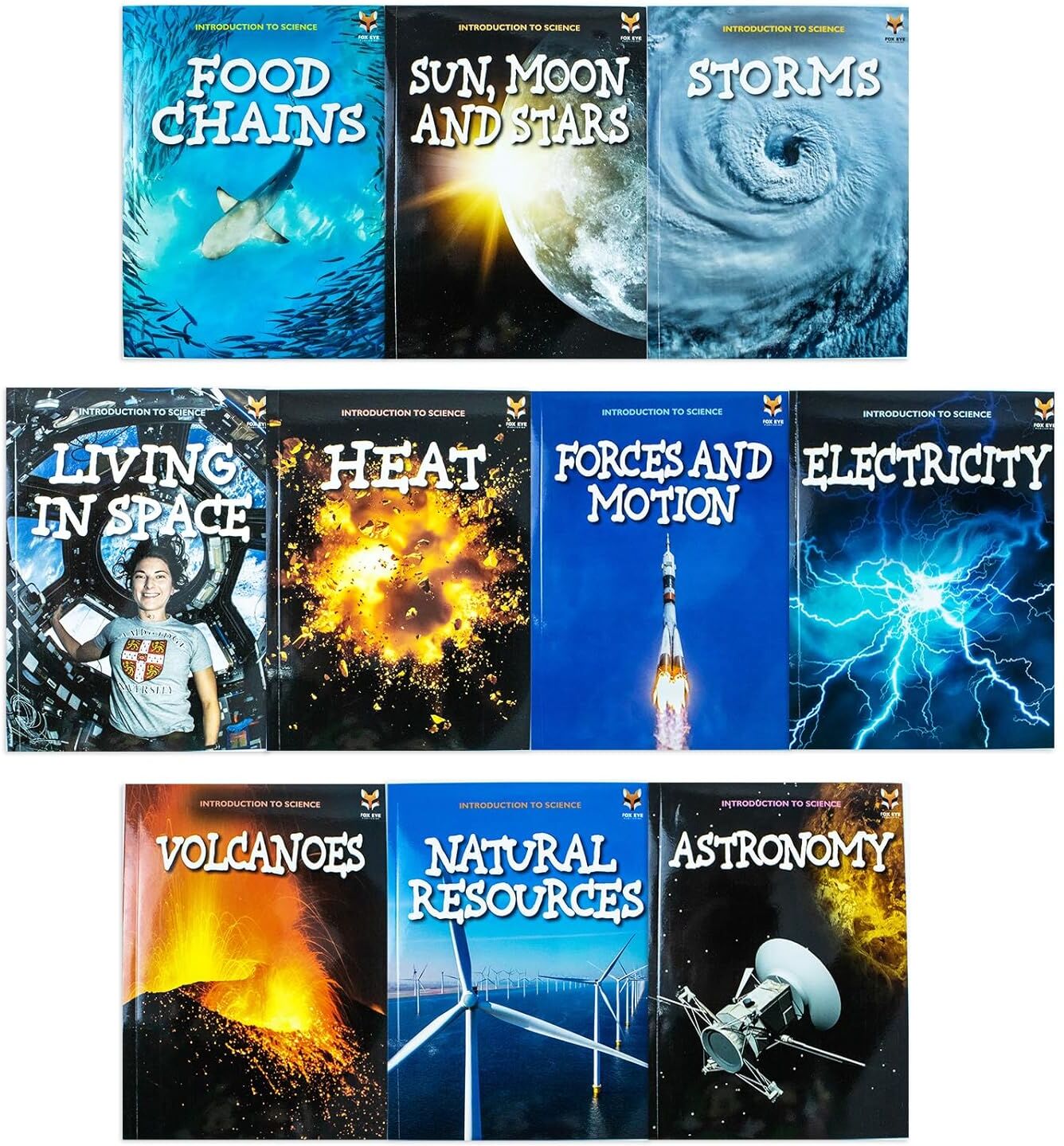
Fox Eye Publishing Introduction to Science for Beginners Series 1 – 10 Books Collection Set – Educational Science CollectionThe 'Introduction to Science Series 1' comprises a comprehensive 10-book set designed to introduce readers to various captivating realms of scientific exploration. Each book within this series delves into a specific area of scientific study, offering an accessible and engaging overview. Introduction to Astronomy: How do people study the stars, planets and other objects in space? Find out the answer to this question and many more inside. Introduction to Electricity: What is electricity and how do we use it? Find out about the amazing power of electricity inside. Introduction to Living in Space: What is it like to live in space? Where do you sleep, what do you eat and how do you work? Find out about the wonders of living in space inside. Introduction to Food Chains: What are food chains and why do we need them? Find out about the amazing world of food chains inside. Introduction to Forces and Motion: What are forces and how do we use them? Find out about the amazing world of forces inside. Introduction to Heat: What is heat and how do we use it? Find out about the amazing power of heat inside. Introduction to Storms: What causes Earth’s fierce storms? Learn the answer to this question and many others inside. Introduction to Sun, Moon and Stars: How are stars created and how did we land on the Moon? Find out about the wonders of our universe inside. Introduction to Volcanoes: Volcanoes can cause terrible destruction, but can also be incredibly useful. Find out more about them inside. Introduction to Natural Resources: What are natural resources and why do we need them? Find out about our amazing world of natural resources inside. This series offers a gateway to scientific knowledge, catering to both beginners and enthusiasts alike, inviting readers on an educational journey through the wonders of our natural world and beyond.9,95 £*Shipping: 2,99 £Secure redirect to the provider
-
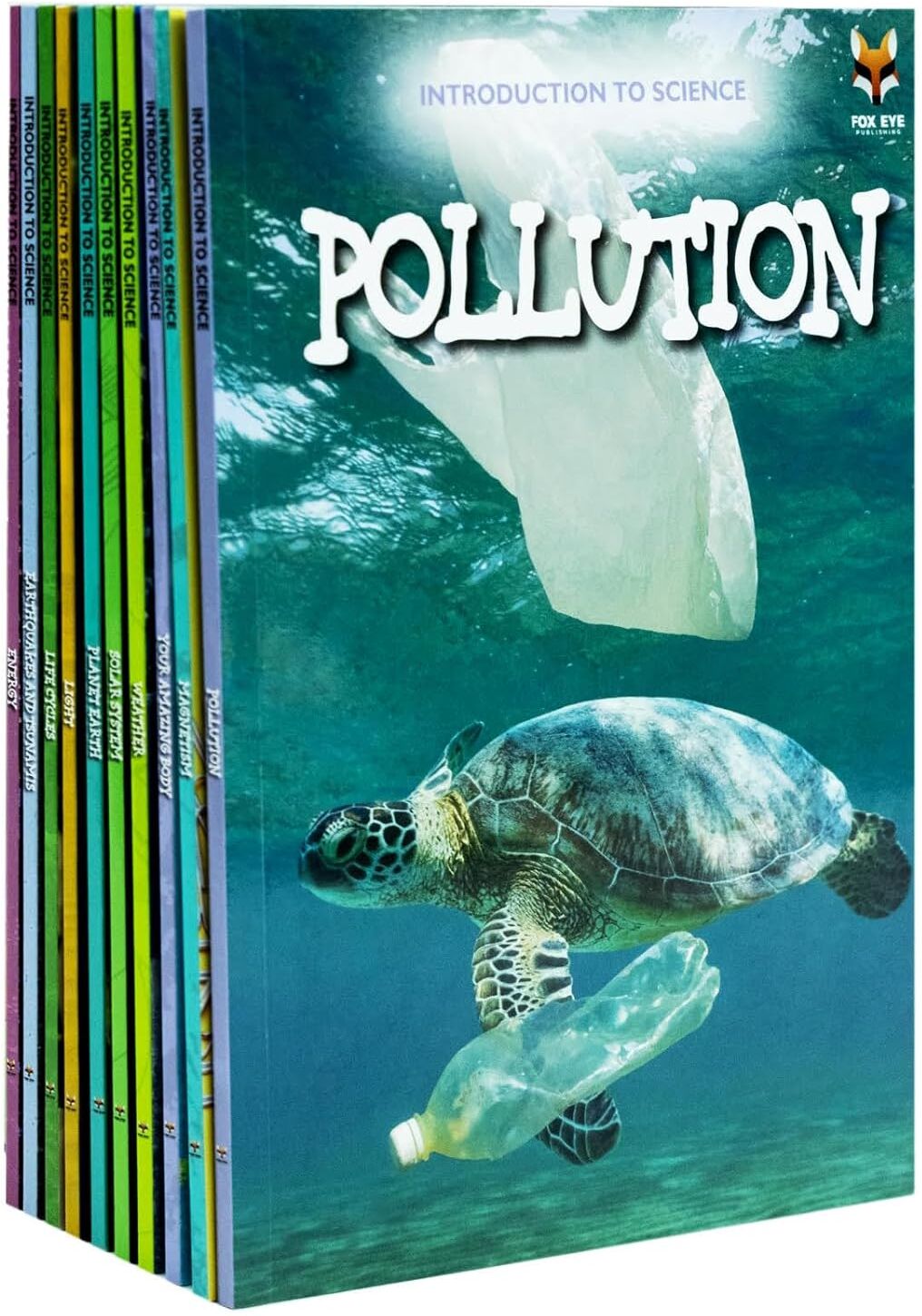
Fox Eye Publishing Introduction to Science for Beginners Series 2 – 10 Books Collection Set – Educational Science Learning CollectionThe 'Introduction to Science Series 2' comprises a comprehensive 10-book set that delves into fundamental scientific concepts across various domains. Each book offers an accessible and engaging exploration of its specific topic, making science approachable for learners of all levels. Here's a breakdown of the titles included: Introduction to Energy: What is energy and how do we use it? Find out about the amazing power of energy inside. Introduction to Earthquakes and Tsunamis: What are earthquakes and tsunamis and what causes them? Find out the answers to these questions and many more inside. Introduction to Planet Earth: Our Earth has amazing rivers, sky-scraping mountains, hot deserts and more! Find out more about it inside. Introduction to Solar System: What is a solar system and what is in our Solar System? Find out the answer to this question and many more inside. Introduction to Weather: How is weather made and how do we study and measure it? Find out about our amazing world of weather inside. Introduction to Life Cycles: What are life cycles and how do they work? Find out about the amazing world of life cycles inside. Introduction to Light: What is light and how do we use it? Find out about the amazing power of light inside. Introduction to Magnetism: What is magnetism and how do we use it? Find out about the amazing force of magnetism inside. Introduction to Your Amazing Body: What awesome things happen inside your body every day? Find out about your amazing body inside. Introduction to Pollution: What is pollution and how is it damaging our world? Find out about pollution and what we can do to stop it inside. This series serves as an invaluable resource, offering a gateway to scientific knowledge and fostering a profound appreciation for the wonders of the natural world while promoting an understanding of key scientific principles.9,99 £*Shipping: 2,99 £Secure redirect to the provider
-
What is the difference between a specialist in computer science for system integration and a specialist in computer science for digital networking?
A specialist in computer science for system integration focuses on integrating different hardware and software systems to work together seamlessly. They are responsible for ensuring that all components of a system, such as databases, servers, and applications, can communicate and function together effectively. On the other hand, a specialist in computer science for digital networking focuses on designing, implementing, and managing digital networks, such as local area networks (LANs), wide area networks (WANs), and wireless networks. They are responsible for ensuring that data and information can be transmitted efficiently and securely across these networks. In summary, the main difference between the two specialists lies in their focus areas: system integration specialists focus on integrating various components of a system, while digital networking specialists focus on designing and managing digital networks. **
-
What is the high school graduation theme for political science in the basic course in Berlin?
The high school graduation theme for political science in the basic course in Berlin is typically focused on understanding the foundations of political systems, the role of government, and the principles of democracy. Students may also explore topics such as political ideologies, international relations, and the impact of globalization on politics. The goal is to provide students with a comprehensive understanding of political science and its relevance in the modern world, preparing them for further studies or careers in the field. **
-
Which social science is offered as a basic course in the Abitur?
In the Abitur, which is the final examination in the German education system, students are required to take a basic course in social science. This course typically covers a range of topics including sociology, political science, economics, and geography. The goal of this course is to provide students with a broad understanding of the social sciences and their relevance to contemporary society. **
-
Could science fiction technology become real?
Yes, science fiction technology could become real in the future. Many of the technological advancements that were once considered science fiction, such as video calling, self-driving cars, and virtual reality, have already become a reality. With continued advancements in science and technology, it is possible that other futuristic technologies, such as teleportation or advanced artificial intelligence, could also become a reality in the future. While some science fiction technologies may still be far-fetched, it is important to remember that many of today's realities were once considered impossible in the past. **
* All prices are inclusive of VAT and, if applicable, plus shipping costs. The offer information is based on the details provided by the respective shop and is updated through automated processes. Real-time updates do not occur, so deviations can occur in individual cases. ** Note: Parts of this content were created by AI.